
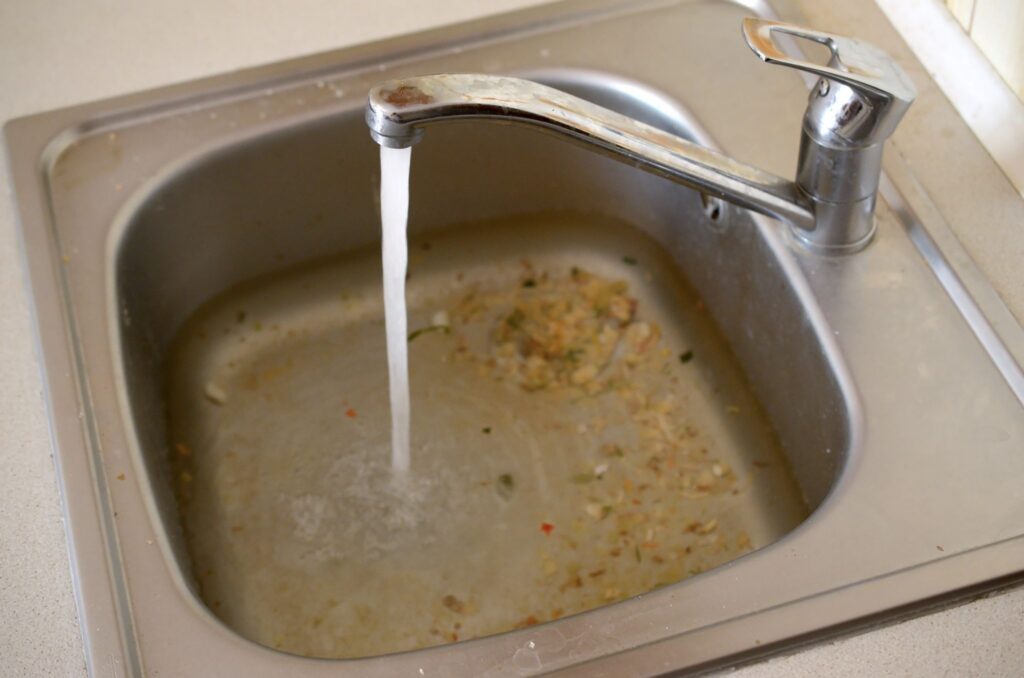
A clogged drain is frustrating enough the first time. When the same sink, shower, or toilet keeps backing up, however, the problem often goes deeper than a simple blockage. While plungers and store-bought drain cleaners may provide temporary relief, recurring clogs usually indicate an underlying issue somewhere within the plumbing system.
Throughout San Diego County, homeowners frequently deal with drain problems caused by grease buildup, hard water deposits, tree roots, and aging plumbing infrastructure. Identifying the root cause is the first step toward finding a long-term solution.
Here are seven of the most common reasons drains keep clogging, along with what you can do about them.
1. Grease and Food Buildup in Kitchen Drains
Kitchen drains handle a surprising amount of grease, oils, food scraps, and soap residue. Even when grease is poured down the drain in liquid form, it cools and hardens inside the pipe. Over time, food particles stick to the buildup, gradually restricting water flow.
Common signs include:
- Slow-draining kitchen sinks
- Foul odors coming from the drain
- Recurring clogs after washing dishes
To help prevent grease-related clogs, avoid pouring cooking oils or grease down the sink and use a drain strainer to catch food debris.
2. Hair and Soap Scum in Bathroom Drains
Bathroom sinks, tubs, and showers often clog due to hair buildup. Hair combines with soap residue and creates dense blockages that become increasingly difficult to remove.
You may notice:
- Water pooling around your feet during showers
- Slow-draining tubs
- Gurgling sounds from bathroom drains
Installing hair catchers and cleaning them regularly can help reduce buildup before it becomes a major obstruction.
3. Non-Flushable Items in Toilets
Many homeowners are surprised to learn that products labeled “flushable” do not always break down properly inside plumbing systems. Wipes, paper towels, feminine hygiene products, cotton swabs, and other materials can become lodged in drain lines, creating recurring blockages.
Signs of a developing problem include:
- Frequent toilet backups
- Multiple flushes are needed to clear the bowl
- Slow drainage in nearby fixtures
A toilet that repeatedly clogs may indicate a larger drainage issue beyond the fixture itself. In some cases, recurring backups require further inspection of the drain line rather than another simple plunge.
4. Tree Root Intrusion in Sewer Lines
Tree roots naturally seek out moisture. Even a small crack or loose joint in a sewer line can attract roots, which continue growing inside the pipe and create significant obstructions.
Common warning signs include:
- Multiple drains backing up simultaneously
- Sewage odors inside or outside the home
- Frequent clogs that return after clearing
Root intrusion is particularly common in older neighborhoods throughout San Diego County, where mature landscaping and aging sewer lines often intersect.
5. Hard Water Mineral Buildup
San Diego County is known for having hard water. Over time, minerals such as calcium and magnesium can accumulate along pipe walls, reducing the pipe’s internal diameter and restricting water flow.
You may notice:
- Slow drainage throughout the home
- Reduced water pressure
- White residue around fixtures and faucets
Many homeowners are unaware of how hard water affects plumbing and appliances until recurring clogs, reduced efficiency, or appliance issues begin to appear.
6. Aging or Damaged Pipes
Older plumbing systems can develop corrosion, scale buildup, cracks, and other issues that restrict water flow and contribute to recurring drain problems. In some cases, homeowners may need to consider repiping solutions when aging pipes begin causing ongoing drainage concerns.
Potential warning signs include:
- Frequent drain backups
- Recurring clogs despite previous cleaning
- Water leaks or pipe corrosion
- Multiple plumbing issues are occurring throughout the home
In some situations, repairing or replacing damaged sections of piping may be necessary to restore proper drainage.
7. Buildup From Everyday Habits
Not every recurring clog is due to a major plumbing issue. Small habits repeated over months or years can gradually create a substantial buildup.
Common contributors include:
- Coffee grounds
- Eggshells
- Pasta and rice
- Excess soap residue
- Food scraps
- Excessive toilet paper use
While these materials may seem harmless individually, they often combine with existing residue inside the pipe and create stubborn blockages over time.
When Professional Drain Cleaning Makes Sense
If the same drain keeps clogging despite your efforts, there is usually an underlying cause that needs attention. Drain cleaning helps remove accumulated buildup rather than simply creating a temporary opening through the blockage.
For severe buildup, recurring backups, or root intrusion, hydro jetting may be recommended. This process uses high-pressure water to remove grease, sludge, mineral deposits, and debris from the interior pipe walls, helping restore full flow throughout the system. A camera inspection may also be useful when recurring clogs suggest a deeper issue within the sewer or drain line.
How to Prevent Recurring Drain Clogs
While some drain issues are unavoidable, routine maintenance can significantly reduce the risk of recurring problems.
Helpful prevention tips include:
- Avoid pouring grease down kitchen drains
- Use strainers in sinks, tubs, and showers
- Flush only toilet paper and human waste
- Schedule periodic drain inspections
- Address slow drains before they become complete blockages
- Consider professional cleaning when clogs become frequent
Taking proactive steps can help protect your plumbing system and reduce the likelihood of expensive repairs.
Frequently Asked Questions
Why does my drain keep clogging after I clear it?
Temporary methods often remove only part of the blockage. Buildup remaining inside the pipe can quickly collect additional debris and cause another clog.
Can hard water contribute to clogged drains?
Yes. Mineral deposits from hard water gradually accumulate inside pipes, reducing the available space for water flow.
Are recurring toilet clogs a sign of a bigger problem?
Sometimes. A toilet that repeatedly backs up may indicate a blockage farther down the drain line or within the sewer system.
Is hydro jetting better than snaking?
Both methods have their place. Snaking is effective for many localized clogs, while hydro jetting provides a more thorough cleaning by removing buildup from the entire pipe interior.
When should I call a plumber for recurring clogs?
If the same drain clogs repeatedly, multiple fixtures back up simultaneously, or you notice sewage odors, it is a good idea to schedule a professional inspection.
Need Help With Recurring Drain Clogs?
A drain that keeps clogging is often a sign of a deeper issue within your plumbing system. Plumbing Plus provides drain inspections, drain cleaning, hydro jetting, sewer services, and toilet repair and replacement solutions throughout San Diego County to help homeowners solve recurring drain problems at the source. Contact our team now to schedule an inspection and get your drains flowing properly again.