
Hot water is something most homeowners rarely think about until it suddenly disappears. Whether you’re stepping into a morning shower, running the dishwasher, or doing laundry, your water heater works behind the scenes every day to keep your household comfortable. Like any appliance, however, water heaters do not last forever.
One of the most common questions homeowners ask is whether a failing water heater should be repaired or replaced. The answer depends on several factors, including the age of the unit, the type of problem, repair costs, and overall efficiency.
If you’re experiencing water heater issues in San Diego County, understanding your system’s typical lifespan can help you make a more informed decision.
How Long Do Water Heaters Typically Last?
The lifespan of a water heater varies based on the type of system, maintenance history, water quality, and overall usage.
Average lifespans include:
- Traditional Tank Water Heaters: Approximately 8–12 years
- Tankless Water Heaters: Approximately 15–20 years
- Heat Pump Water Heaters: Approximately 10–15 years
- High-Efficiency Hybrid Systems: Often 10–15 years or longer with proper care
While these ranges provide a general guideline, some systems may fail earlier due to hard water, neglected maintenance, or heavy household demand.
Signs Your Water Heater May Be Nearing the End of Its Lifespan
Water heaters often provide warning signs before complete failure occurs. Recognizing these symptoms early may help you avoid unexpected breakdowns and water damage.
Common warning signs include:
- Inconsistent water temperatures
- Reduced hot water supply
- Rust-colored water
- Strange noises from the tank
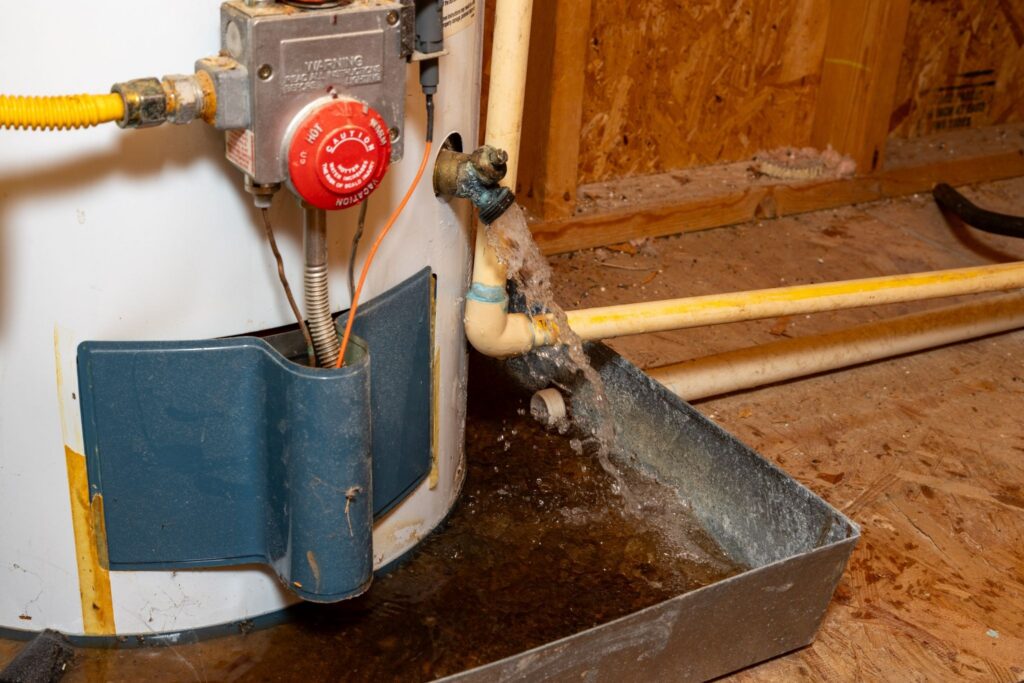
- Water pooling around the unit
- Rising energy bills
- Frequent repair needs
- Slow recovery between uses
As water heaters age, internal components become less efficient and more susceptible to failure.
When Water Heater Repair Makes Sense
Not every water heater problem requires replacement. In many situations, repairing the system can restore performance and extend its useful life.
Repair is often the better option when:
- The unit is relatively young
- The problem involves a replaceable component
- Repair costs are modest compared to replacement costs
- The tank itself remains structurally sound
- The system has been properly maintained
Common repair issues include:
- Faulty thermostats
- Heating element failures
- Pilot light problems
- Pressure relief valve issues
- Minor leaks from fittings or connections
Regular water heater maintenance can often identify these issues before they lead to larger problems or complete system failure.
When Water Heater Replacement Is the Better Choice
Although repairs can solve many problems, there comes a point when replacement becomes the more practical investment.
Replacement is often recommended when:
- The unit is approaching the end of its expected lifespan
- Repair costs are becoming frequent or expensive
- The tank itself is leaking
- Rust or corrosion is present inside the system
- Energy efficiency has declined significantly
- Household hot water demands have increased
When replacement becomes the most practical option, proper water heater installation helps ensure reliable performance, energy efficiency, and long-term system lifespan. Homeowners planning a replacement often want to understand the water heater installation timeline, especially when hot water availability is a daily necessity.
The Impact of San Diego County Water Conditions
Water quality can play a major role in water heater longevity. Many areas throughout San Diego County experience hard water, which contains elevated levels of calcium and magnesium. Over time, these minerals settle in the tank, creating sediment buildup.
This accumulation can:
- Reduce heating efficiency
- Increase energy consumption
- Cause overheating
- Accelerated wear on internal components
- Shorten equipment lifespan
Routine flushing and maintenance can help reduce sediment accumulation and improve overall performance.
Should You Upgrade to a More Efficient Water Heater?
If your existing water heater is nearing the end of its lifespan, replacing it may offer an opportunity to improve efficiency and reduce long-term operating costs. Many homeowners are now choosing heat pump water heaters because they use significantly less electricity than traditional electric models while still delivering reliable hot water.
Benefits of newer systems may include:
- Lower utility bills
- Improved energy efficiency
- Better temperature consistency
- Reduced environmental impact
- Longer expected lifespan
- Potential rebates and incentives
Modern water heater technology continues to improve, making replacement an attractive option for many households.
Factors to Consider Before Deciding
Before deciding whether to repair or replace your water heater, consider:
Age of the Unit
Older systems generally provide less value from major repairs.
Cost of Repair
A costly repair on an aging unit may not make financial sense compared to replacement.
Energy Efficiency
Newer systems often operate far more efficiently than older equipment.
Frequency of Problems
Repeated service calls can quickly add up and indicate larger underlying issues.
Household Needs
Changes in family size or water usage may justify upgrading to a different system.
A professional inspection can help determine which option provides the greatest long-term value.
Frequently Asked Questions
How long does a traditional tank water heater last?
Most traditional tank water heaters last between 8 and 12 years, depending on maintenance, water quality, and usage patterns.
Can a water heater last longer than 15 years?
Some systems exceed their expected lifespan with proper maintenance, though efficiency often declines significantly as units age.
What is the average lifespan of a heat pump water heater?
Heat pump water heaters typically last between 10 and 15 years and often provide substantial energy savings compared to standard electric models.
How do I know if my water heater needs replacement?
Frequent repairs, tank leaks, corrosion, inconsistent hot water, and advanced age are common indicators that replacement may be the better option.
Is replacing a water heater expensive?
Installation costs vary depending on the type of system selected, household requirements, and any necessary plumbing or electrical upgrades. Several factors can influence the average cost of water heater installation, including equipment type and installation complexity.
Repair or Replace? Let Plumbing Plus Help
Deciding whether to repair or replace a water heater is not always straightforward. Factors such as age, efficiency, repair history, and overall condition all play a role in determining the best solution.
At Plumbing Plus, we help homeowners throughout San Diego County evaluate their options with honest recommendations and practical solutions. Whether your current system needs a repair, ongoing maintenance, or complete replacement, our team can help you make a confident decision.
If your water heater is showing signs of age or performance issues, contact Plumbing Plus now to schedule an inspection and learn which option makes the most sense for your home.