
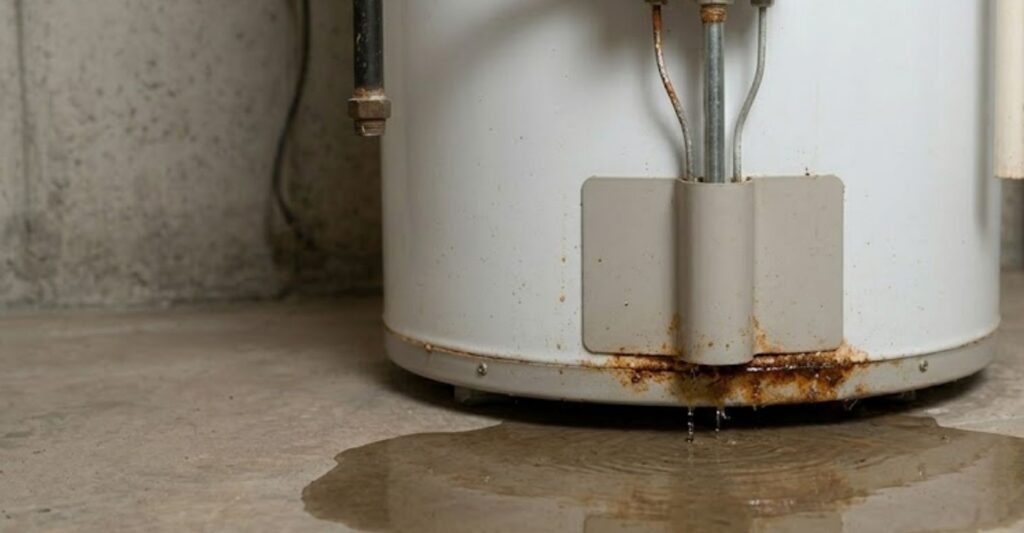
A leaking water heater, especially when you discover a significant puddle accumulating underneath the tank, is a serious situation that requires prompt attention. Understanding exactly why is my water heater leaking is essential, but preventing extensive water damage is the priority. When you notice this malfunction, you must act strategically and give our team a call.
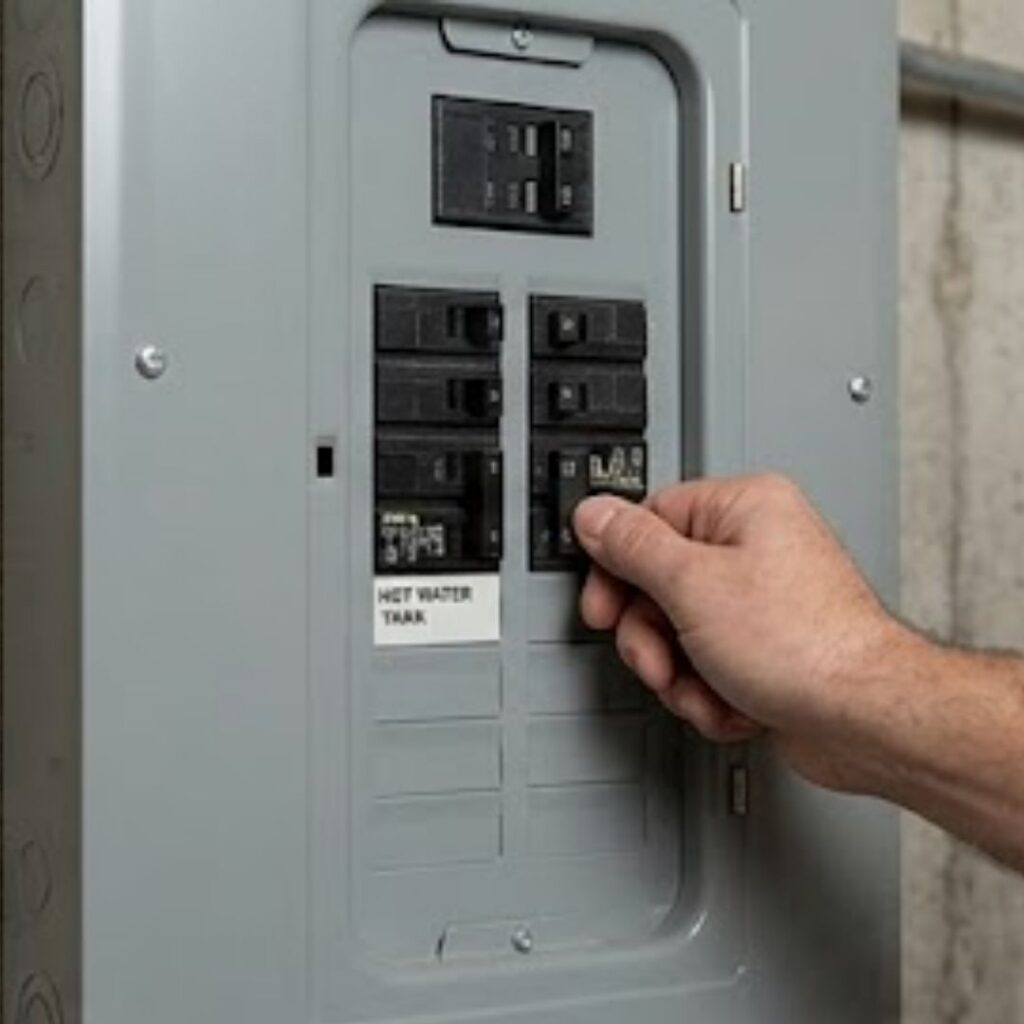
Cut the Power Source
The moment you identify a leak coming from the base of your water heater, safety becomes the primary concern. Water and electricity or gas form a highly hazardous combination. If you operate an electric water heater, you should immediately head to your home’s electrical service panel and flip the circuit breaker powering the unit to the “off” position. If your water heater is powered by natural gas, look for a small valve or control knob on the water heater’s gas control valve and firmly turn it to the “off” position to prevent a gas leak or fire hazard.
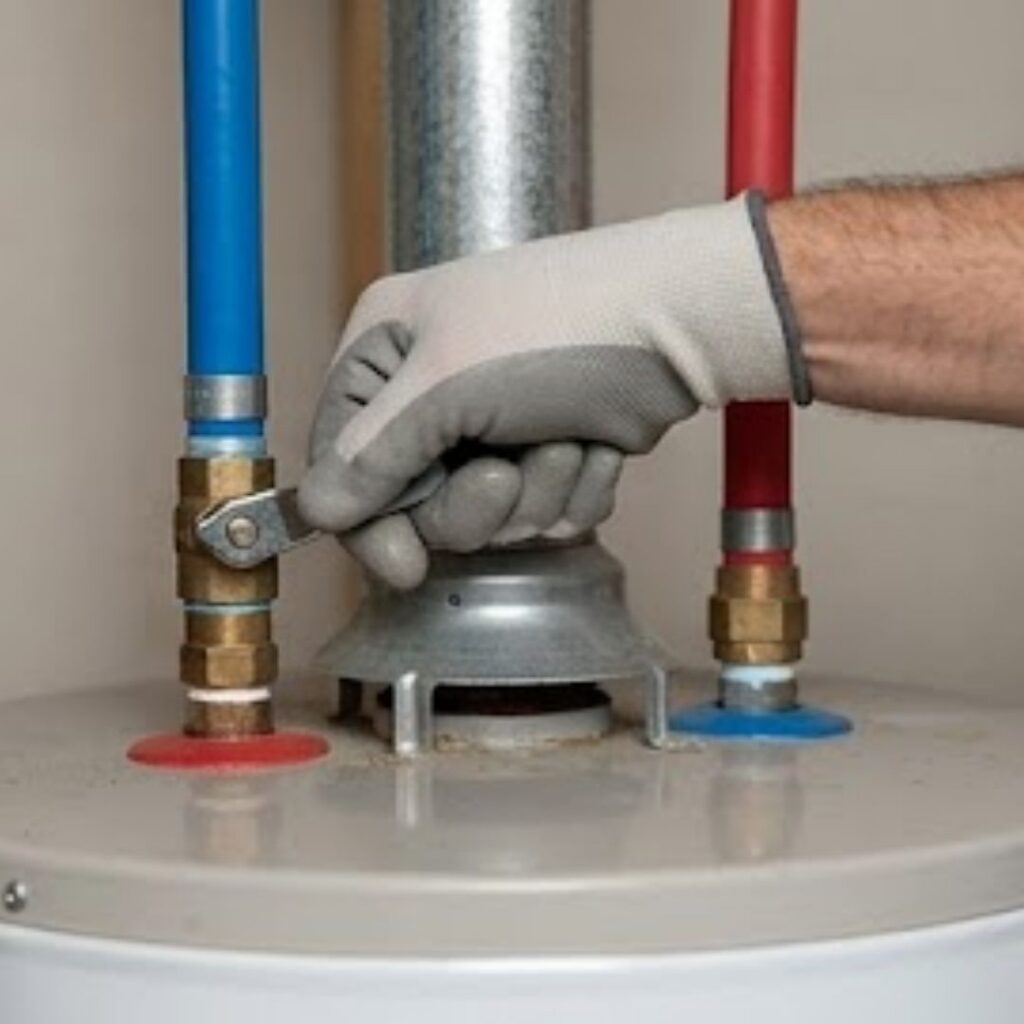
Shut Off the Cold Water Supply
Once you have safely deactivated the power and heat source, your next objective is to stop the continuous flow of water entering the tank. If you look closely at the pipes connected to the top of your water heater, you should identify a dedicated cold water supply valve. This is typically a lever or a round handle (either a gate valve or ball valve). For ball valves, turn the lever 90 degrees until it is perpendicular to the pipe. For gate valves, turn the handle clockwise until it is tight and fully seated. Cutting off this supply prevents your hot water tank from constantly replenishing, significantly slowing or stopping the active leak and minimizing further flooding.
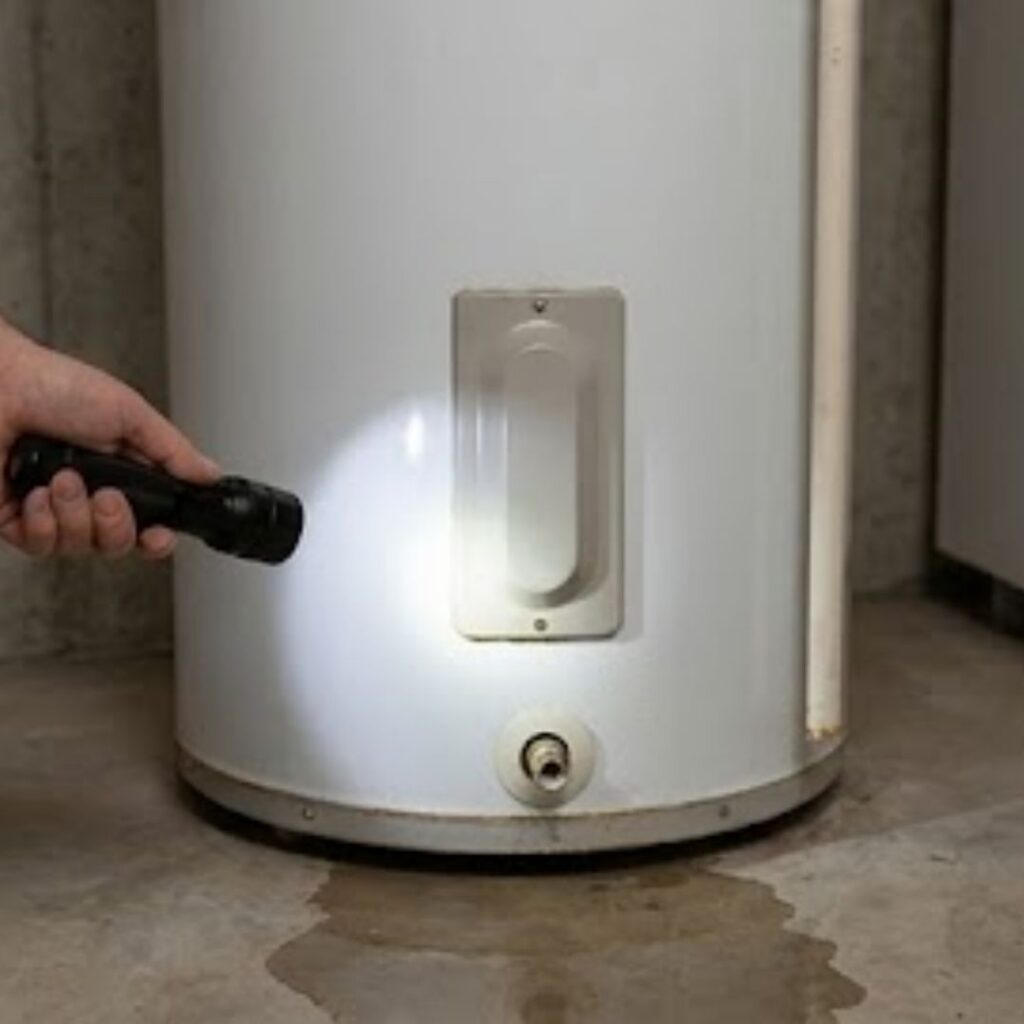
Visually Assess the Situation
With the water flow and power securely disabled, you can carefully inspect the area to better understand the severity. When we evaluate “why is my water heater leaking,” we look for different sources. The leak might originate from a valve at the top of the tank and trickle down, creating the illusion of a bottom-tank leak. Carefully trace any moisture. If the leak is truly emanating from a fracture in the bottom or side of the storage tank casing itself, unfortunately, this often points toward internal corrosion that cannot be easily fixed. While we prefer to provide an efficient water heater repair whenever technically possible, a corroded tank typically demands a complete water heater replacement to guarantee a long-term, reliable solution.
After you have taken these three immediate defensive actions, you should immediately reach out for professional plumbing diagnostics. Attempting an intricate repair yourself on a major appliance under pressure can often worsen the issue or cause future failure. Please contact our experienced team today, and Plumbing Plus will quickly determine if a simple repair is sufficient or if a more substantial upgrade is needed.