
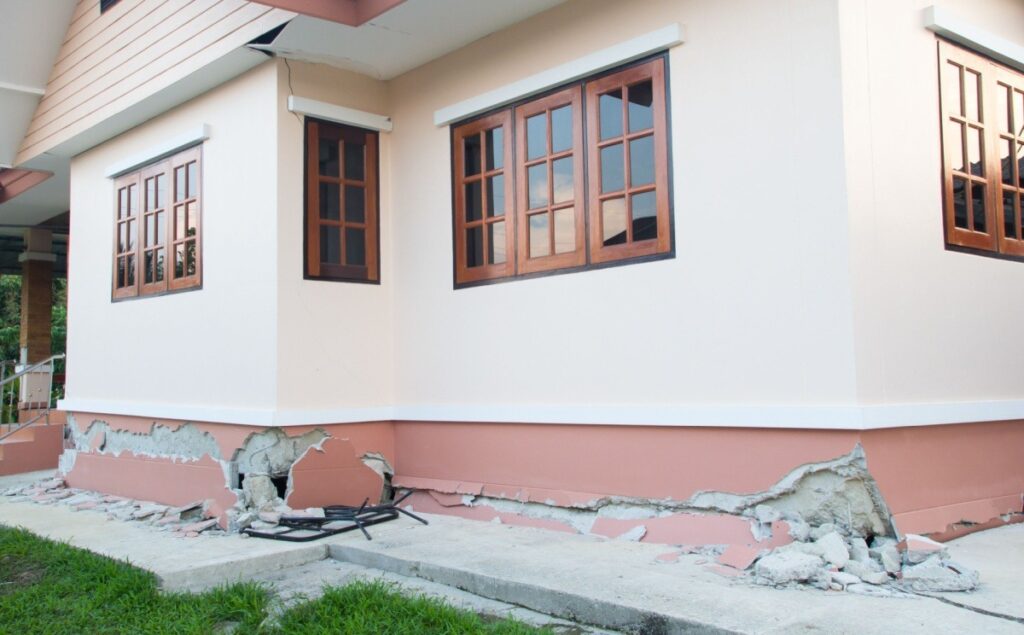
Living in California means earthquakes are always a possibility. Many homeowners take steps to prepare by securing heavy furniture, stocking emergency supplies, and reviewing structural safety plans. These precautions are important, but one critical system is often overlooked during earthquake preparation: the plumbing system.
Pipes, water heaters, and underground water lines can all be affected when the ground shifts during seismic activity. Even minor earthquakes may loosen plumbing connections or stress older pipes. In more severe events, pipes can crack or break, potentially leading to serious water damage inside the home. Because plumbing systems are largely hidden behind walls or beneath floors, damage can go unnoticed until costly problems appear.
The good news is that a few preventive steps can help reduce the risk of plumbing damage during an earthquake. Preparing your plumbing system now can help protect your home and limit potential disruptions if seismic activity occurs.
How Earthquakes Can Affect Your Plumbing System
Earthquakes create ground movement that can place sudden stress on plumbing systems. While modern construction methods help reduce structural damage during seismic events, plumbing components may still experience strain when the ground shifts.
One of the most vulnerable areas is the piping system itself. Pipes that run through walls, ceilings, and foundations can move or shift during an earthquake. This movement may cause pipes to loosen at joints, crack along weak points, or disconnect from fittings.
Water heaters are another plumbing component that can be affected. Because these appliances are heavy and often connected to both water and gas lines, they can tip or shift during strong ground movement if not properly secured. A displaced water heater may damage surrounding pipes or connections.
Underground water lines can also be impacted. When soil shifts beneath a home, buried pipes may bend, separate, or break entirely. These issues can interrupt your water supply and lead to significant repairs if not addressed promptly.
Even minor seismic events can gradually weaken plumbing connections over time. This is why preparing your plumbing system for earthquakes is an important step for homeowners living in earthquake-prone regions.
Common Plumbing Problems After an Earthquake
Following an earthquake, several plumbing issues may develop depending on the severity of the seismic activity and the condition of the plumbing system. Some problems are immediately noticeable, while others may take time to appear.
- Broken or Cracked Pipes: When pipes shift or experience sudden stress, fractures can form, allowing water to leak into surrounding materials. These leaks may occur behind walls or beneath floors, making them difficult to detect right away.
- Gas Line Damage: This is a significant concern, especially if water heaters or other appliances shift during an earthquake. Any suspected gas line damage should be addressed immediately by professionals.
- Mysterious Leaks: In some cases, leaks may also appear at plumbing joints or connections. Even if pipes remain intact, the movement caused by seismic activity can loosen fittings and create slow leaks over time.
- Shifted Water Heaters: Water heaters may shift out of place if they are not properly secured. When this occurs, the connected pipes may bend or disconnect, leading to water leaks or reduced system efficiency.
- Water Pressure Issues: In some cases, homeowners may also experience reduced water pressure if pipes are partially damaged or blocked by shifting debris within the plumbing system.
Because many plumbing components are hidden, a professional inspection after a seismic event can help identify issues that may not be visible at first glance.
Key Ways to Make Your Plumbing More Earthquake-Ready
Taking proactive steps to strengthen your plumbing system can significantly reduce the risk of damage during an earthquake. Several practical upgrades can improve the flexibility and stability of your plumbing.
Secure Your Water Heater
Water heaters are heavy appliances that can shift or fall during seismic activity. Installing earthquake straps helps secure the unit to the wall and reduces movement. This simple step can prevent major plumbing damage.
Install Flexible Pipe Connections
Rigid pipes may crack when subjected to sudden ground movement. Flexible connectors allow pipes to move slightly without breaking. These connectors are commonly installed on water heaters and other critical plumbing components.
Inspect Older Pipes
Older plumbing materials may be more vulnerable to damage during earthquakes. Corroded pipes or aging fittings are more likely to crack when stressed. Having a professional plumber inspect older plumbing systems can help identify potential weaknesses.
Locate the Main Water Shutoff Valve
Every homeowner should know the location of their main water shutoff valve. In the event of a plumbing emergency following an earthquake, shutting off the water quickly can prevent significant flooding and water damage.
Schedule Preventive Plumbing Inspections
Routine inspections help identify vulnerabilities in your plumbing system before they lead to serious issues. A professional plumber can recommend upgrades that improve system stability and earthquake readiness.
These preventive measures help homeowners reduce the risk of costly plumbing problems during seismic events.
Signs Your Plumbing May Have Been Damaged After a Seismic Event
After an earthquake, even a minor one, it is important to monitor your plumbing system for signs of damage. Some problems appear immediately, while others develop gradually over time.
- Sudden Drop in Water Pressure: This can indicate a leak or break in a pipe somewhere in the system.
- Unusual Water Sounds Inside Walls or Floors: If you hear water running when no fixtures are in use, further inspection may be needed.
- Damp Spots on Walls, Ceilings, or Floors: These spots may appear as discoloration, bubbling paint, or soft areas in drywall.
- Unexpected Increases in Water Bills: An unexplained spike in your utility bills can also suggest hidden leaks caused by earthquake-related pipe damage.
- Musty Odors: In some cases, homeowners may notice unusual odors or mold growth due to moisture buildup from hidden leaks.
If you observe any of these warning signs after seismic activity, contacting a professional plumber for an inspection is an important next step.
Protect Your Home with Earthquake-Ready Plumbing
Pipes, water heaters, and underground water lines can all be affected when the ground shifts. Taking proactive steps now can help prevent major water damage and costly repairs later. Simple upgrades, regular inspections, and professional guidance can all contribute to a more earthquake-ready plumbing system.
At Plumbing Plus, we are proud to help homeowners across San Diego County prepare their homes for the unexpected. Since 1984, our family-run plumbing company has served the community with integrity, skill, and a commitment to long-lasting results. Our experienced team can inspect your plumbing system, recommend improvements, and perform the upgrades needed to improve safety and reliability.
If you want to make sure your plumbing is ready for whatever comes next, contact Plumbing Plus today to schedule a professional plumbing inspection or consultation. Taking action now can help protect your home and give you greater peace of mind when the ground starts to shake.