
Have you ever stopped to think about the quality of the water flowing through your home every day? Most people use water constantly without giving it much thought. You fill a glass from the tap, rinse vegetables before cooking dinner, run the dishwasher after a meal, and take a shower to start or end the day. Water supports countless daily routines, yet many homeowners rarely consider what might actually be present in their tap water.
Municipal water systems work hard to provide safe drinking water, but that does not mean every home experiences the same water quality. Minerals, chlorine, sediment, and other contaminants can still affect the taste, smell, and overall quality of the water that comes through your pipes. In some cases, water may leave behind residue on fixtures, create unpleasant odors, or dry out skin and hair after bathing.
That is where whole-home water filtration comes into the picture. A whole-house filtration system treats water as it enters your home, improving water quality before it reaches sinks, showers, appliances, and drinking taps. If you have ever wondered whether a whole-house water filtration system could benefit your home, understanding how these systems work and what advantages they provide can help you make an informed decision.
What Is a Whole-House Water Filtration System?
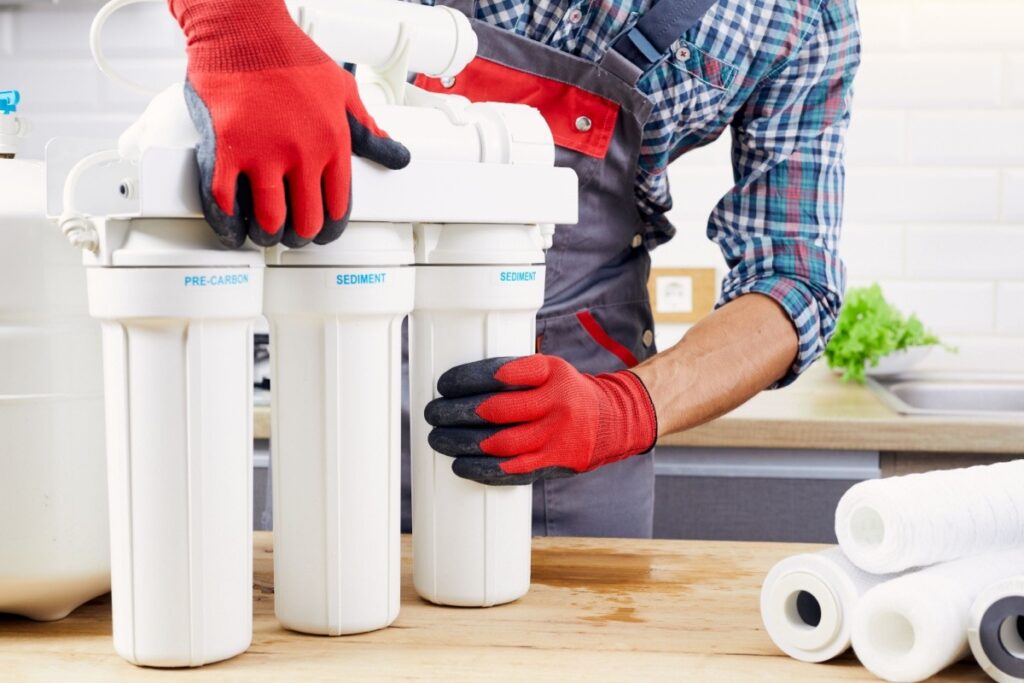
A whole-house water filtration system, sometimes called a point-of-entry filtration system, filters water at the main supply line where water first enters your home. Instead of treating water at individual faucets, the system cleans it before it travels through your plumbing.
This means that every tap, shower, washing machine, and appliance receives filtered water. The filtration system typically includes specialized filter media designed to remove sediment, chlorine, heavy minerals, and other unwanted substances.
As water flows through the filtration unit, contaminants are captured within the filter components. The result is cleaner water delivered throughout the entire home.
These systems are typically installed near the home’s main water shutoff valve. A professional plumber connects the filtration unit directly to the plumbing system, ensuring all incoming water passes through the filter before reaching household fixtures.
Because the system treats water at the source, homeowners benefit from improved water quality throughout the home rather than just at a single faucet.
Benefits of Filtering Water Throughout Your Entire Home
Installing a whole-house filtration system offers a variety of advantages for homeowners who want cleaner, more consistent water throughout their homes.
Better-Tasting Drinking Water
One of the most noticeable benefits of water filtration is improved taste. Chlorine and other substances often affect the flavor of tap water. Filtering these elements helps produce fresher, more enjoyable drinking water.
Healthier Water for Bathing
Water quality affects more than just drinking water. Showers and baths expose skin and hair to the same minerals and chemicals present in tap water. Filtration can reduce harsh substances that may contribute to dryness or irritation.
Reduced Contaminants
Whole-home filtration systems remove sediment, chlorine, and other contaminants that may exist in untreated water. This added layer of filtration helps improve overall water quality.
Protection for Appliances and Plumbing
Mineral buildup can affect appliances such as dishwashers, washing machines, and water heaters. Over time, these minerals may reduce efficiency or cause damage. Filtering the water supply helps reduce scale buildup and protect plumbing systems.
Cleaner Fixtures and Surfaces
Filtered water leaves behind fewer mineral deposits. Homeowners often notice less residue on faucets, sinks, glassware, and shower doors.
Together, these benefits make whole-home filtration a valuable upgrade for many households.
Signs Your Home May Benefit from a Water Filtration System
Not every home experiences the same water conditions. However, certain signs may indicate that installing a whole-house water filtration system could improve your water quality.
- Unpleasant-Tasting Drinking Water: Metallic or chemical flavors may signal the presence of minerals or chlorine.
- Mineral Buildup: If you see buildup around faucets and showerheads, it may indicate that the water contains high levels of dissolved minerals. This buildup often appears as white or chalky residue on fixtures.
- Cloudy Water: Suspended particles may cause water to appear murky when poured into a glass.
- Strong Chlorine Odors: Chlorine smells may also indicate that water treatment chemicals are affecting your water supply.
- Dry Skin or Hair: Some homeowners notice dry skin or brittle hair after showering. Minerals and chemicals in untreated water can sometimes contribute to these issues.
If you experience one or more of these signs, exploring water filtration options may help improve your home’s water quality.
Whole-Home Filtration vs. Point-of-Use Filters
Many homeowners are familiar with small filtration devices such as faucet filters, refrigerator filters, or water pitcher filters. These products are known as point-of-use filters because they treat water at a single location.
While point-of-use filters can improve drinking water at one faucet, they do not treat water used elsewhere in the home. Showers, washing machines, dishwashers, and other fixtures still receive untreated water.
Whole-home filtration systems operate differently. Because they are installed at the main water line, they filter water before it travels throughout the house. This means every tap and appliance benefits from cleaner water.
For homeowners who want consistent water quality across the entire home, a whole-house filtration system often provides a more comprehensive solution. However, the best option depends on your home’s water conditions and your personal preferences. A plumbing professional can help determine which system best meets your needs.
Is a Whole-House Water Filtration System Worth It?
Whether a whole-house water filtration system is worth installing depends on several factors, including your local water quality, household water usage, and personal preferences.
For many homeowners, the answer is yes. Improved water taste, better appliance performance, and cleaner fixtures can make a noticeable difference in daily life. In addition, reducing reliance on bottled water can provide long-term cost savings while also supporting environmentally responsible choices.
Homes with hard water or noticeable chlorine odors may benefit especially from whole-home filtration. These systems help improve comfort while protecting plumbing systems from mineral buildup.
Because water conditions vary from one location to another, evaluating your specific water quality is an important first step. A professional plumber can assess your water supply and recommend filtration solutions tailored to your home.
Improve Your Home’s Water Quality with Plumbing Plus
Every home has unique water conditions, which means there is no one-size-fits-all filtration solution. Choosing the right system requires an understanding of your home’s plumbing layout, water usage, and local water quality. Working with an experienced plumbing professional ensures that you select a filtration system designed to deliver reliable results.
At Plumbing Plus, we help homeowners throughout San Diego County improve their water quality with professionally installed filtration systems. Since 1984, our family-run company has focused on providing dependable plumbing services built on integrity, craftsmanship, and long-lasting results.
If you are considering a whole-house water filtration system, our team can evaluate your water conditions and recommend the best solution for your home. Contact Plumbing Plus today to learn more about whole-home filtration system installation. Cleaner, better-tasting water throughout your home may be closer than you think.