
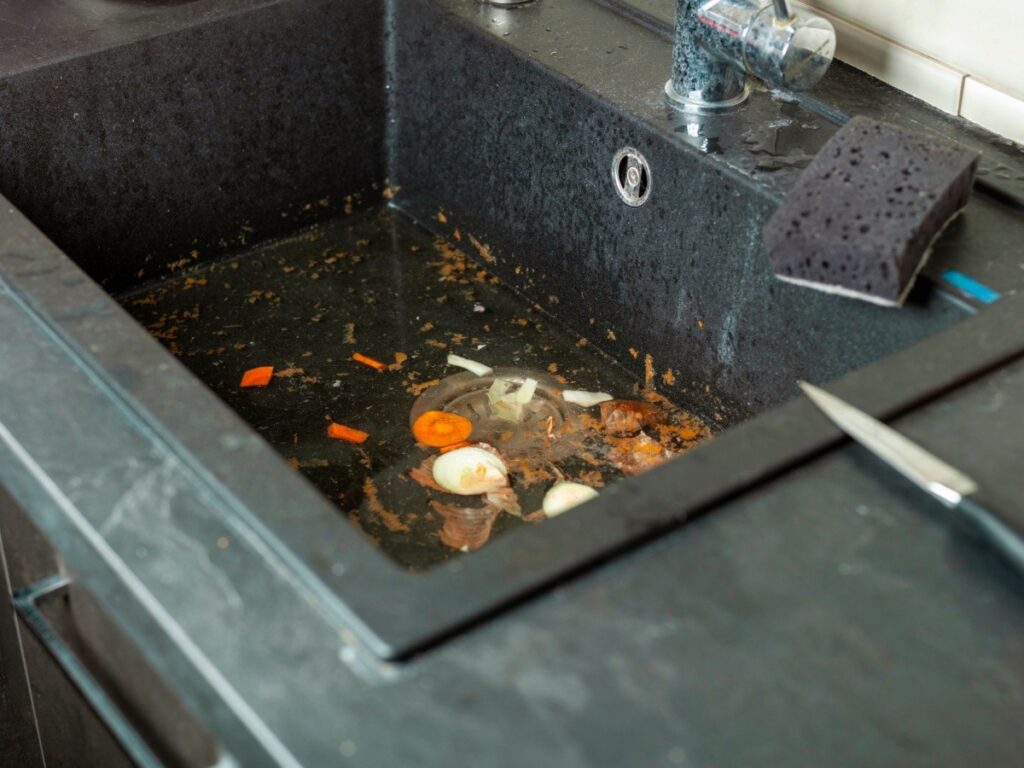
You finish dinner, scrape a few leftovers into the sink, and rinse the pan with hot water. The grease disappears down the drain. The sink looks clean. The kitchen smells fresh. It feels like everything is taken care of.
What many homeowners do not realize is that small habits like this can quietly damage plumbing over time. Everyday items that seem harmless when rinsed down the sink or flushed down the toilet often cling to pipe walls, build up slowly, and create stubborn clogs. Weeks or months later, that buildup can lead to slow drains, sewer backups, or even costly pipe repairs.
Knowing what not to put down your drains can protect your plumbing system and help you avoid unnecessary stress. As a family-run plumbing company built on integrity and long-lasting solutions for over 40 years, we believe education is one of the best tools homeowners have. Let’s take a closer look at the items you should always keep out of your drains.
Grease, Fats, and Cooking Oils
Grease is one of the most common causes of kitchen drain clogs. When it is hot, grease appears harmless. It flows easily and washes away without a problem. Once it cools inside your pipes, however, it solidifies and sticks to the pipe walls.
Over time, layers of grease accumulate. Food particles cling to that sticky surface. The pipe’s interior diameter narrows, restricting water flow. Eventually, this buildup can create a full blockage that causes backups in your sink or even deeper in your sewer line.
Even small amounts of cooking oil or bacon grease contribute to the problem. The safest approach is to let the grease cool in a container and dispose of it in the trash. This simple step can prevent major plumbing issues down the road.
“Flushable” Wipes and Paper Products
Many products on store shelves are labeled “flushable,” but that label does not mean they are safe for your plumbing system. Unlike toilet paper, which is specifically designed to break down quickly in water, wipes remain strong and intact long after they are flushed.
Paper towels, facial tissues, cotton pads, and hygiene products also resist breaking apart. Instead of dissolving, they travel through your pipes and can snag on rough surfaces, roots, or small obstructions. Once caught, they form the base of a growing clog.
In San Diego County, we frequently see sewer backups caused by wipes and paper products. These blockages can affect not just individual homes but entire neighborhoods. The safest rule is simple: only human waste and toilet paper should go down the toilet. Everything else belongs in the trash.
Coffee Grounds, Eggshells, and Food Scraps
Garbage disposals are helpful tools, but they are not designed to handle every type of food waste. Coffee grounds are particularly problematic because they do not dissolve in water. Instead, they clump together and settle in pipes, creating dense blockages.
Eggshells may seem harmless, yet their small fragments can mix with grease and other debris, forming a thick sludge inside your plumbing. Fibrous foods such as celery, onion skins, and corn husks can wrap around disposal blades, leading to clogs.
Even if you use your disposal regularly, it is best to scrape most food scraps into the trash or compost bin. Your pipes are built to carry wastewater, not large amounts of solid waste. Being selective about what goes down the drain helps maintain smooth, consistent flow.
Hair, Soap Scum, and Bathroom Debris
Bathroom drains face their own set of challenges. Hair is one of the leading causes of clogs in sinks, tubs, and showers. As hair travels through the drain, it can catch on rough surfaces or existing buildup. Over time, strands tangle together and trap soap residue, forming stubborn blockages.
Soap scum adds to the problem. When soap combines with minerals in water, it forms a sticky residue that coats the inside of pipes. This buildup narrows the passageway, making it easier for hair and debris to accumulate.
Installing simple drain screens can significantly reduce the amount of hair entering your pipes. Regular cleaning and maintenance also go a long way toward preventing bathroom drain issues.
Harsh Chemicals and Paint
When faced with a slow drain, many homeowners turn to chemical drain cleaners. While these products may provide temporary relief, they can damage your plumbing over time. Harsh chemicals generate heat and can corrode pipes, especially older metal or plastic lines.
Paint, solvents, and other household chemicals should also never be poured down the drain. These substances can harden inside pipes, contribute to blockages, and harm the environment. Wastewater treatment systems are not designed to handle many of these materials safely.
If you are dealing with a stubborn clog, professional drain cleaning is a safer and more effective solution than repeated chemical use.
Why Small Habits Make a Big Difference
Plumbing systems are designed to be durable, but they depend on responsible daily use. The items listed above may seem insignificant in small amounts. Over time, however, they create compounding effects that strain your pipes and sewer lines. By adjusting a few everyday habits, you can:
- Reduce the risk of unexpected backups
- Extend the lifespan of your plumbing system
- Improve water flow throughout your home
- Avoid costly emergency repairs
Prevention does not require major changes. It starts with simple awareness and consistent action.
Protect Your Plumbing With Professional Support
Even with careful habits, buildup can still occur over time. Professional drain cleaning and inspections help address minor issues before they become major problems. Routine maintenance prevents blockages and keeps your pipes in good condition.
At Plumbing Plus, we have proudly served San Diego County since 1984. As a family-run company, we are committed to honest recommendations, reliable workmanship, and long-lasting results. We understand how disruptive plumbing emergencies can be, which is why we focus on prevention and proactive care whenever possible.
If you are experiencing slow drains, recurring clogs, or simply want peace of mind, our team is here to help. Contact Plumbing Plus today to schedule professional drain cleaning or a comprehensive plumbing evaluation. With the right guidance and support, you can protect your home from avoidable plumbing problems and keep your system running smoothly for years to come.